
Reviewed · FOOD & DRINK
Historical 18th Century Estate Tour with Coconut Tasting
Coconuts tell St. Lucia’s story. At Morne Coubaril Estate, you see that story in the hands-on work of opening coconuts, drying copra, processing cocoa, and pressing sugar cane. I like the fresh coconut water and jelly tasting, and I like the way the tour connects gardens, buildings, food, and island history instead of treating the estate as a pretty photo stop.
The recreated stick huts and grand Monplaisir estate house give the visit a clear sense of place. Guides such as Natasha, Jonathan, Vincia, Noelita, and Sendyann have earned praise for making the plants and demonstrations easy to understand. My main caution is that the quality depends heavily on your guide, and a rushed or scripted presentation can make the short visit feel thin.
In This Review
- Five things to know before you go
- Morne Coubaril Estate puts history in your hands
- The replica village explains daily life
- The gardens are more than scenery
- The Monplaisir house gives the estate its grand center
- Coconut processing is the tour’s most memorable demonstration
- Cocoa shows the hard work behind chocolate
- The sugar mill adds a little island theater
- The viewpoint gives the walk a strong finish
- Is $12 good value?
- Timing, walking, and group size
- Who will enjoy this estate visit?
- Should you book the Morne Coubaril tour?
- FAQ
- Where does the tour begin and end?
- What time does the tour start?
- How long does the experience last?
- Is admission included?
- Is transportation included?
- What food and drinks are included?
- Can children join the tour?
Five things to know before you go
- Fresh tastings are central: Try coconut water, coconut jelly, raw cocoa, cocoa nibs, fresh cane juice, and sometimes coconut candy or fruit.
- The working demonstrations matter: You see coconut dehusking, cocoa grinding and polishing, fermentation steps, and a mule-driven sugar cane mill.
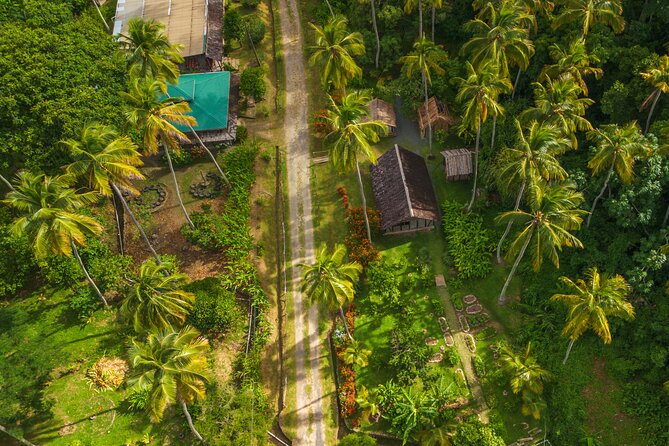
- The estate combines several stops: Expect replica village huts, a medicinal herb garden, the Monplaisir family house, processing buildings, and a viewpoint.
- The price is modest: At $12 per person, the tour offers good value if you want a brief cultural stop near Soufriere.
- Plan for a short walk: The tour is not recommended for people with difficulty walking or for people with visual impairments.
Morne Coubaril Estate puts history in your hands
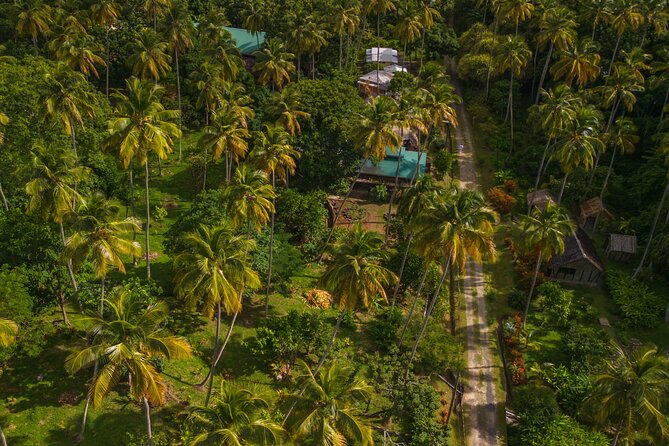
Morne Coubaril Estate is in Soufriere, one of St. Lucia’s main sightseeing areas. The setting gives you a useful break from the island’s famous volcanic sights. Instead of only looking at scenery, you learn how people worked, cooked, planted, processed crops, and lived on an estate.
The visit is designed as a guided walk. Your guide leads you through several parts of the property, explaining how sugar, cocoa, coffee, coconuts, herbs, and household plants fit into life on the island. The subject is broad, but the demonstrations keep it from becoming a talk beside a signboard.
The tour description gives a duration of about one hour, while the booking details also describe the experience as approximately 30 minutes. In practice, you should allow at least an hour, and possibly longer if the guide takes questions or the group moves slowly. A few accounts describe visits lasting 1.5 to 2 hours, especially when tastings or additional estate activities are included.
That difference matters if you are visiting St. Lucia from a cruise ship or fitting the estate between other stops. I would not schedule a tight connection immediately afterward.
Other places to eat and drink around St Lucia:
- St. Lucia Food and Rum Tour – Taste authentic St. Lucian Food and Culture
★ 5.0 · 204 reviews - St Lucia Rum Tasting and Tour
★ 4.5 · 91 reviews - Rodney Bay Food Tour by LUCIAN FOOD TOURS
★ 5.0 · 76 reviews
The replica village explains daily life
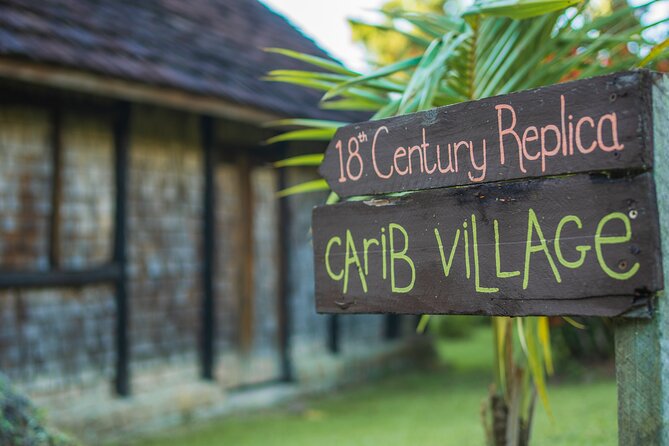
The walk begins with a small village of replica stick huts. These represent the homes used by island inhabitants in the 1700s and help you picture the basic materials and limited space of earlier life.
The huts are useful because they put ordinary people into the story. A grand house can tell you about ownership and status, but the huts point toward workers and families. You get a better idea of the contrast between plantation management and village life.
You should also keep your expectations in check. These are replicas, not untouched 18th-century homes. One account found the presentation too theatrical, with the huts built on concrete pads. If you want a careful discussion of how the buildings were made and how closely they reflect the past, ask your guide questions rather than assuming every detail is original.
The most successful guides make this section feel personal and practical. Natasha received strong praise for explaining St. Lucia’s plants, culture, and estate life in a friendly way. Jonathan was also praised for answering questions clearly while showing the village and grounds.
The gardens are more than scenery
From the village, you continue through gardens filled with tropical plants, trees, herbs, and flowers. The garden section slows the pace and gives you a chance to look closely at the plants rather than simply walking past them.
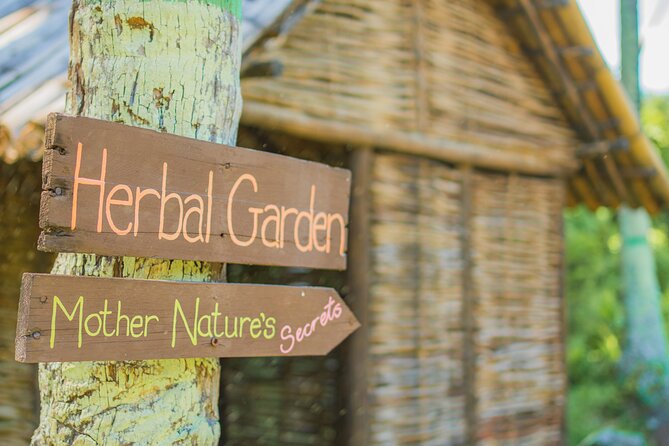
The medicinal herb garden is one of the more useful stops. Your guide explains how particular herbs were used to treat illness and injury. That turns a collection of greenery into a lesson about local remedies and self-sufficiency.
I especially like this part for visitors who want some connection to everyday island life. Food and medicine are practical subjects. They show how people used what grew around them, rather than presenting history as a list of dates and plantation owners.
The plant walk can also vary by guide. Some guides point out fruit, basil, spices, and other edible plants with real energy. Others may deliver the information more mechanically. If you are placed toward the back of a large group, move closer when possible so you can hear the explanations.
The Monplaisir house gives the estate its grand center
The Monplaisir family’s estate house is the architectural centerpiece. After the small huts and working areas, the house shows the other end of estate life: larger rooms, more formal design, and a clear display of status.
The contrast is the point. You see the humble village structures first, then the grand house, and the difference helps explain the social order of an 18th-century estate. The house also gives the tour a visual anchor, especially for anyone interested in Caribbean architecture.
This is not a long indoor museum visit based on the information provided. The property works more like an open-air historical site, with the house, gardens, huts, and work buildings making up the experience. If you want extensive room-by-room interpretation, you may find the stop brief.
Still, the house is one of the best photo locations on the property. Combine it with the garden and viewpoint, and you get a good mix of architecture, plants, and Soufriere scenery.
A few more St Lucia trips worth pairing with this one
- Nature & Historical Horseback Riding Tours St. Lucia
★ 4.5 · 54 reviews - Essence of St Lucia Heritage Experience
★ 5.0 · 5 reviews
Coconut processing is the tour’s most memorable demonstration
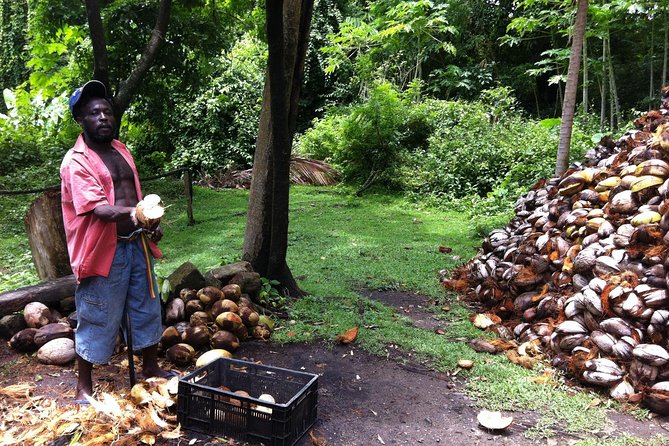
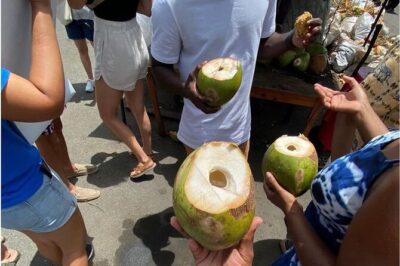
The coconut stop is where the tour becomes especially tactile. A skilled demonstrator shows how to remove the husk by hand, a job that looks simple only after someone experienced makes it look easy.
You then learn how coconut meat is dried into copra. The guide also explains how you could dry it in your own oven. This small detail makes the process easier to understand because it connects estate production with something you can picture at home.
The tasting follows the demonstration. You may sample coconut water and the soft coconut jelly inside a young coconut. Depending on the guide and visit, tastings can also include coconut meat or coconut candy.
The fresh coconut is a real strength of the experience. It is not a packaged sample brought out at the end. You see the work required to open the fruit, then taste it immediately. That pairing of labor and food gives the demonstration its value.
The coconut work also makes the $12 price easier to justify. You are not only looking at old equipment. Someone shows you a traditional skill and gives you a taste connected directly to it.
Cocoa shows the hard work behind chocolate
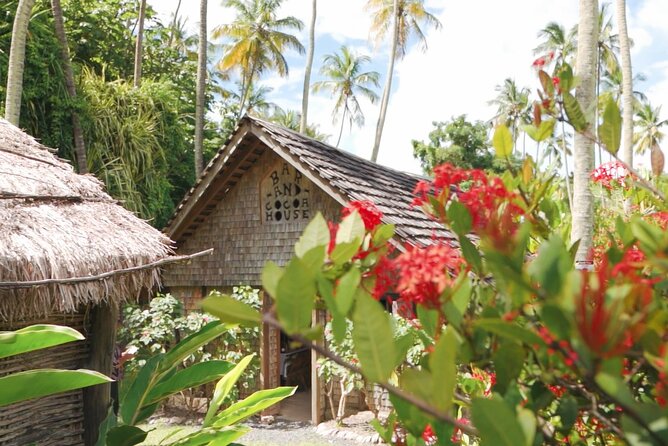
At the cocoa and coffee house, you learn what happens after the fruit is harvested. The tour covers fermentation, drying, polishing, and grinding. You may taste a ripe cocoa bean and, depending on the guide, cocoa nibs or ground cocoa.
Raw cocoa can surprise you. It does not taste like a chocolate bar. The bean has a more unusual flavor before sugar and other ingredients turn it into the familiar sweet. That makes the tasting a good lesson in how much processing goes into chocolate.
The cocoa dance is one of the more distinctive demonstrations. It shows how the beans are polished, with footwork used as part of the traditional process. You may also see the beans being ground.
I like this stop because it replaces a vague idea of chocolate making with a sequence you can follow. Fermentation changes the beans. Drying prepares them. Polishing cleans and improves their surface. Grinding produces the base for later use.
Guides have been praised for offering several samples, including raw cocoa, cocoa beans, cocoa nibs, and chocolate-related treats. The exact selection can vary, so treat the tasting as part of the guided experience rather than a formal chocolate tasting flight.
The sugar mill adds a little island theater
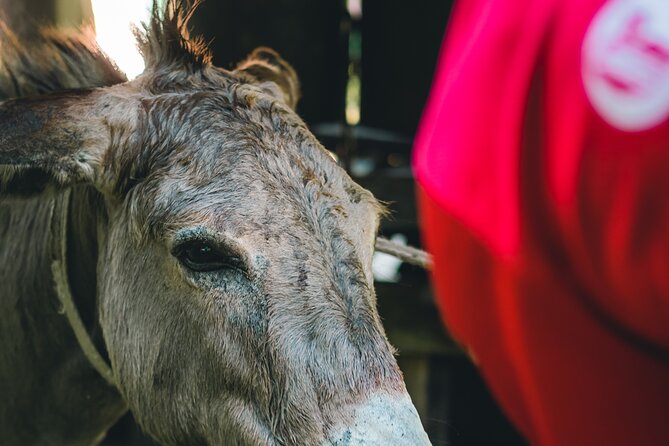
The traditional sugar cane mill is operated by a donkey or mule. Some accounts identify the animal as Noel. Watching the animal turn the mill gives you a clear picture of how cane juice was extracted before modern machinery.
The stop ends with fresh sugar cane juice, a typical island treat. It is sweet, simple, and a good match for the coconut and cocoa samples.
This is also the part that may divide opinion. Some people find the animal-powered mill charming and memorable. Others find the process slow or uncomfortable and may have concerns about the donkey. The demonstration is included as a look at traditional estate work, but you should decide for yourself how you feel about that presentation.
The mill is most interesting when the guide explains the labor involved and places it in context. Without that explanation, it can feel like a quick photo opportunity. Ask how the cane was handled and what happened to the juice after extraction.
The viewpoint gives the walk a strong finish
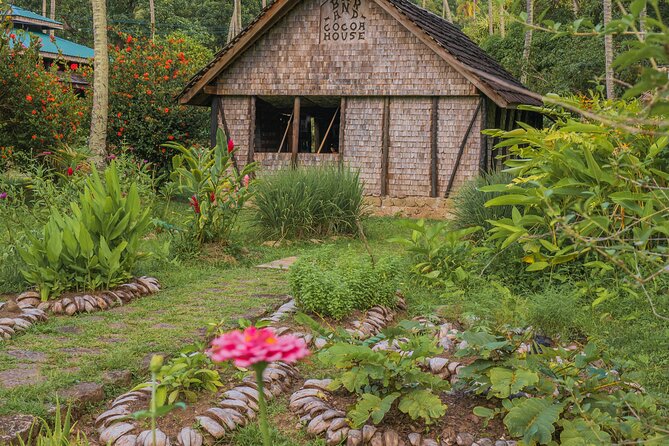
After the processing demonstrations, the route reaches a viewpoint with dramatic views. This is a welcome pause after the gardens, huts, house, and working areas.
The viewpoint also helps you understand why the estate was valuable. The property was not an isolated collection of buildings. It was part of a larger island setting where crops, water, slopes, workers, and transport all shaped daily work.
You will want your phone ready here, as well as at the house and gardens. The tour includes a mobile ticket, so you can keep your booking on your phone and use it for entry.
Is $12 good value?
At $12 per person, I consider this a good-value introduction to St. Lucian plantation life, particularly if you are already near Soufriere. The price includes admission and a local guide, along with the demonstrations and basic tastings described during the walk.
The value comes from variety. In one short visit, you get architecture, village replicas, plants, medicinal herbs, cocoa, coffee, coconut, sugar cane, and a viewpoint. Many individual stops would be brief on their own, but together they create a useful picture of estate activity.
The price does not include lunch, hotel pickup, drop-off, or alcoholic drinks. Lunch may be available at the estate as a separate purchase, but the information supplied is inconsistent about availability, and the food experience has received mixed reactions. I would confirm lunch directly before relying on it.
Rum and chocolate tastings may also be available as separate options. Do not assume alcohol is part of the $12 visit.
Timing, walking, and group size
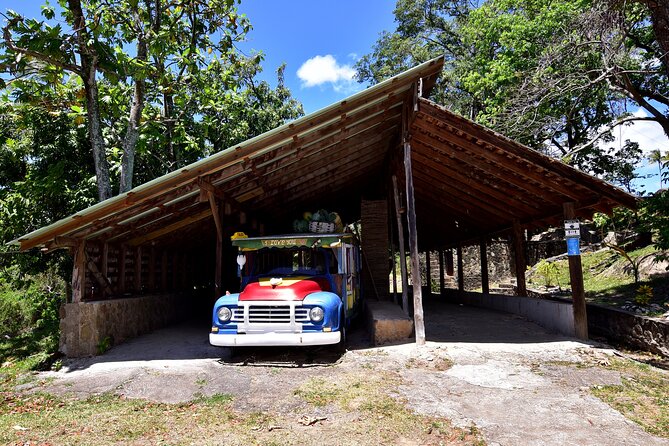
The published start time is 9:00 a.m. You meet at Morne Coubaril Historical Adventure Park and return to the same meeting point. There is no hotel transportation included, so you need to arrange your own way to the estate.
The property is near public transportation, which helps if you are staying in the area. Cruise visitors may also reach it as part of a wider island excursion, but you should leave room for road delays and the possibility that the tour runs longer than the stated 30-minute estimate.
The maximum group size is listed as 100 people. That is a large possible group for a demonstration-based walk. If the full group is present, stand close to the guide during the cocoa and coconut stops, and do not hesitate to ask for a repeat if you cannot hear.
The tour is not recommended for people with difficulty walking. It is also not recommended for people with visual impairments. Children must be accompanied by an adult, and most other participants can take part.
Rain is worth planning for. The gardens and demonstrations are outdoors, and one account specifically noted the lack of umbrellas or raincoats. Bring light rain protection if the forecast looks uncertain.
Who will enjoy this estate visit?
I would choose this tour if you want a short cultural experience with food samples and live demonstrations. It suits first-time visitors who want more context for St. Lucia’s crops and colonial-era estates without spending half a day in a museum.
Families may enjoy the coconut opening, cocoa samples, sugar cane juice, and donkey-powered mill. Children are likely to remember the tastings more than the historical explanation, so an adult should help connect each demonstration to the larger story.
The tour also suits cruise visitors and people staying in Soufriere who want an easy add-on. It is less suitable if you expect a long, scholarly presentation, polished museum displays, or guaranteed lunch and rum tasting.
Your guide matters. Natasha, Jonathan, Vincia, Noelita, and Sendyann are names associated with warm, informative presentations. That does not guarantee who you will receive, but it tells you what a good visit can be like. A strong guide explains the plants, answers questions, and lets the food and work processes carry the story.
Should you book the Morne Coubaril tour?
Book it if you want good value in a compact format, especially for the coconut and cocoa demonstrations. The fresh coconut water, jelly, raw cocoa, cane juice, gardens, huts, and estate house give you plenty to see for $12.
Skip it if you dislike staged historical recreations, have trouble walking, need guaranteed accessibility for a visual impairment, or want a full meal included. Also avoid scheduling it too tightly, since the stated duration ranges from about 30 minutes to an hour, with some visits taking longer.
For most visitors already touring Soufriere, I would add it to the day. It is not a complete study of St. Lucia’s past, but it gives you a clear, tasty look at how an estate worked and how much hand labor went into familiar foods.
FAQ
Where does the tour begin and end?
The tour begins at Morne Coubaril Historical Adventure Park, Morne Coubaril Estate, St. Lucia. It ends back at the same meeting point.
What time does the tour start?
The listed start time is 9:00 a.m.
How long does the experience last?
The tour information gives both an approximate 30-minute duration and a one-hour guided visit. You should allow at least an hour, with extra time possible depending on the pace and tastings.
Is admission included?
Yes. Entrance fees and a local guide are included.
Is transportation included?
No. Hotel pickup and drop-off are not included. The estate is near public transportation.
What food and drinks are included?
The tour includes tastings such as coconut water and jelly, cocoa beans, and fresh sugar cane juice. Alcoholic drinks are not included, though they may be available to purchase. Lunch is also not included.
Can children join the tour?
Yes. Children can participate, but they must be accompanied by an adult. The tour is not recommended for people with difficulty walking or for people with visual impairments.
Latest St Lucia reviews
- St Lucia Transport from Hewanorra Airport Private Transfer★ 5.0 · 5 reviews
- Saint Lucia Private East Coast Tour★ 5.0 · 2 reviews
- Private Guided Piton Hiking and Mud Bath Experience★ 5.0 · 5 reviews
- UVF Private Luxury Transport Service in St Lucia (Round Trip)★ 5.0 · 10 reviews
- iRide Caribbean 50cc Scooter Rental★ 5.0 · 18 reviews
- Fast Track On Arrival at St Lucia Airport & Round Trip Transfer★ 5.0 · 24 reviews
- Hewanorra Airport Private Transfers (UVF)★ 3.5 · 3 reviews
- Hewanorra (UVF) Private Airport Transfer (one way)★ 5.0 · 6 reviews
Food & Drink, compared.
St. Lucia Food and Rum Tour – Taste authentic St. Lucian Food and Culture
Read our review →


St Lucia Bamboo Rafting Experience (+Rum Tasting)
Read our review →
Castries Market Walking Food Tour by LUCIAN FOOD TOURS
Read our review →
Soufriere Excursion with Rum & Chocolate Tasting
Read our review →Browse the lists this tour appears in