

Reviewed · CHOC TOURS
Essence of St Lucia Heritage Experience
Small gardens, big stories. The Essence of St Lucia Heritage Experience gives you a close look at island life through plants, food, old household objects, and local storytelling. From Castries, you ride to Greenwood Terrace for a 2-hour-30-minute visit that combines a tropical garden walk, a medicinal herb garden, a small museum, and a tasting session.
I like the hands-on approach. You can see, touch, and smell more than 300 species of flowering plants, then learn how island residents used herbs for health and cooking. I also like the food and rum tasting, which gives the tour a pleasant, social finish. The main consideration is the pace: this is an educational garden visit, not a sweeping tour of St Lucia’s major sights, and the plant walk requires a moderate level of fitness.
The $85 price includes pickup and drop-off from Castries hotels and the cruise port, an air-conditioned vehicle, a local guide, snacks, light refreshments, and admission to the gardens and museum. For you, that makes the cost easier to justify, especially if you want culture and conversation rather than another quick photo stop.
In This Review
- Key points to know before booking
- Greenwood Terrace gives the tour its character
- The medicinal garden brings practical history to life
- The mini museum fills in the human story
- The tasting session is more than a quick drink
- What the $85 price really covers
- How the 2-hour-30-minute schedule works
- The strongest part is the personal teaching
- Who should book this St Lucia culture tour?
- Practical details that can save you trouble
- Should you book the Essence of St Lucia Heritage Experience?
- FAQ
- Where does the Essence of St Lucia Heritage Experience take place?
- How long does the tour last?
- What time does the experience begin?
- Is transportation included?
- What does the tour include?
- Are food and drinks provided?
- Can children join the tour?
- Can I cancel for a full refund?
Key points to know before booking
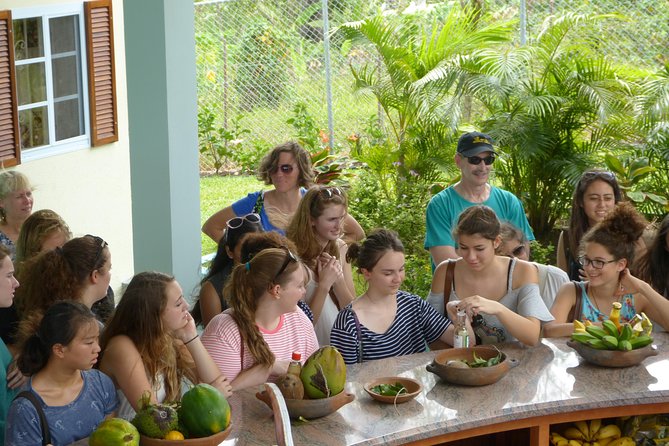
- More than 300 flowering plant species: The garden walk lets you learn through sight, touch, and smell, rather than simply looking at labeled plants.
- Medicinal herbs with everyday uses: You hear how herbs and spices have served both health and cooking needs in St Lucian homes.
- A compact museum of island life: Historic artifacts, utensils, clothing, and traditional Creole headwear help connect the garden to the people who used it.
- Local food, sweets, fruit, and rum: The tasting session is a central part of the visit, with local delicacies and drinks included.
- Pickup from Castries: Hotel and cruise port transportation removes the need to arrange a taxi for a short independent visit.
- A small-group feel may be possible: The official maximum is 60 people, but some visits have been much smaller, which can make the guide’s stories easier to follow.
Greenwood Terrace gives the tour its character
The experience takes place at Greenwood Terrace, home of Barefoot Holidays Saint Lucia Day Tours. This is not a formal museum complex or a large commercial attraction. The appeal comes from spending time in a real garden setting and learning how plants connect to local life.
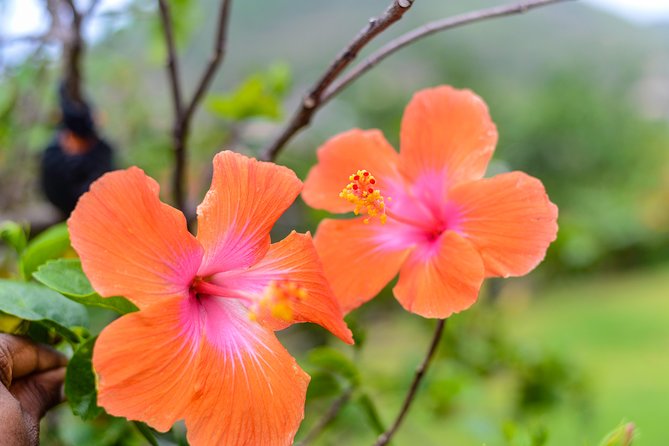
You begin among tropical gardens containing more than 300 species of flowering plants. The guide leads you through the grounds and encourages you to use your senses. You may look closely at leaves and flowers, handle selected plants, and smell herbs as you learn about their traditional uses.
That approach matters. A list of plant names can disappear from your memory before lunch. A scent, texture, or story tends to stay with you. I like that the tour treats the garden as a living classroom, not just a pretty backdrop.
The guide is an important part of the experience. The people praised most warmly include William, Cion, and Showane, also called Sherwin, Williams. Their roles may vary by departure, but the common thread is clear: expect the tour to depend heavily on the person leading your walk. A good guide can turn an ordinary plant into a story about home remedies, cooking, and island customs.
Wear shoes that are comfortable for walking through a garden. The fitness requirement is moderate, so this is not presented as a strenuous hike, but it is still wise to avoid treating it like a seated museum visit. If you have limited mobility, ask the operator about the walking conditions before booking.
A few more Choc trips worth pairing with this one
- Historical 18th Century Estate Tour with Coconut Tasting
★ 4.5 · 61 reviews - Nature & Historical Horseback Riding Tours St. Lucia
★ 4.5 · 54 reviews
The medicinal garden brings practical history to life
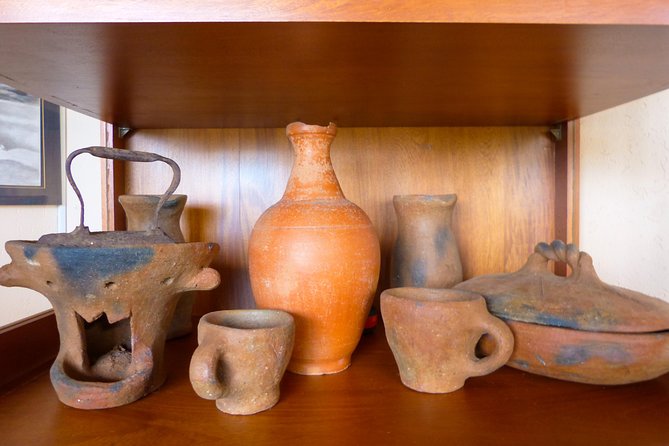
After the wider garden walk, you visit a dedicated medicinal garden filled with herbs and spices. The focus is practical. You learn how plants have been used for traditional remedies and culinary purposes, giving you a better sense of how households made use of what grew nearby.
This section should suit you if you enjoy food traditions, natural remedies, or the ordinary details of daily life. It also adds balance to the tour. You are not just hearing about major dates or famous people. You are learning how families used plants in ways that were useful, familiar, and tied to the local environment.
I would keep your expectations sensible. This is an introductory cultural experience, not a medical course. The value comes from the stories and explanations, not from receiving treatment advice. Listen as cultural information, and do not assume that traditional use makes a plant safe for you to consume or apply.
The setting also helps the lesson. A plant in the soil is easier to understand than a dried sample in a glass case. You can connect the smell and appearance of the herb with the way it was used. That sensory element is one of the strongest reasons to choose this tour over a standard indoor history talk.
The mini museum fills in the human story
The on-site mini museum follows the garden visit. Its display includes historic items, artifacts, utensils, traditional Creole headwear, and clothing. It is described as a one-of-a-kind collection, but you should picture a compact, personal museum rather than a large national institution.
That smaller scale can be a strength. A modest collection often leaves more room for explanation. Instead of rushing past hundreds of objects, you can focus on what an item reveals about St Lucian life. A cooking utensil, piece of clothing, or traditional hat can open a conversation about work, family, customs, and changing habits.
The museum also gives the tour a useful second layer. The garden explains the natural resources available to island communities. The artifacts show how people turned those resources into food, household tools, clothing, and remedies. Taken together, the two stops make the visit feel connected rather than like a collection of unrelated activities.
You should not book this expecting a full-scale archaeological museum. The collection is small, and the tour lasts only about two and a half hours. Still, if you prefer personal stories and objects with a clear connection to daily life, this stop should be rewarding.
The tasting session is more than a quick drink
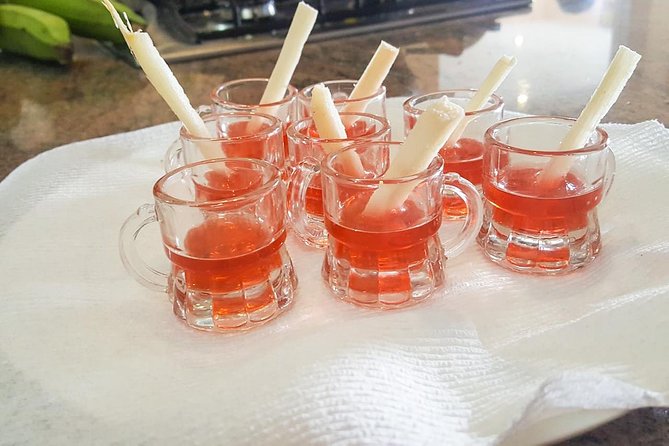
The visit ends with a sampling session featuring local delicacies, sweets, tropical fruit, light refreshments, and alcoholic drinks, including locally made rum. Rum punch has also been part of the tasting, and local food may include a selection of dishes rather than a single snack.
This is where the tour becomes especially social. You have already spent time walking and listening, so sitting down to taste local flavors gives the morning a relaxed finish. The food has been praised for being flavorful without being overly hot, which is useful if you enjoy seasoning but do not have a strong tolerance for chilli.
Sylvia is associated with the food preparation and has been singled out for her cooking and tasting spread. Expect the food to be a highlight, but keep in mind that the exact selection can vary. The tour description promises light refreshments, snacks, local delicacies, sweets, and alcoholic beverages. It does not promise a full restaurant meal every time.
That distinction matters if you are hungry enough to expect lunch. One visit included a delightful lunch of local dishes, while the official inclusions describe snacks and refreshments. I would eat a normal breakfast before setting out, then treat the tasting as a generous cultural sample rather than your only meal of the day.
The rum tasting adds a distinctly St Lucian touch, but drink responsibly. If you do not drink alcohol, the food, fruit, sweets, and garden remain important parts of the visit. The available details do not specify nonalcoholic alternatives, so you can ask when booking if that matters to you.
A very different kind of day on the island:
- St Lucia Catamaran Day Sailing and Sightseeing Tour
★ 4.5 · 198 reviews - Cruise Sunset Party in Castries
★ 4.5 · 76 reviews - Piton Sunset Snorkel Cruise St. Lucia From Castries
★ 4.0 · 53 reviews - Flavors of St Lucia Culinary Experience
★ 5.0 · 41 reviews
What the $85 price really covers
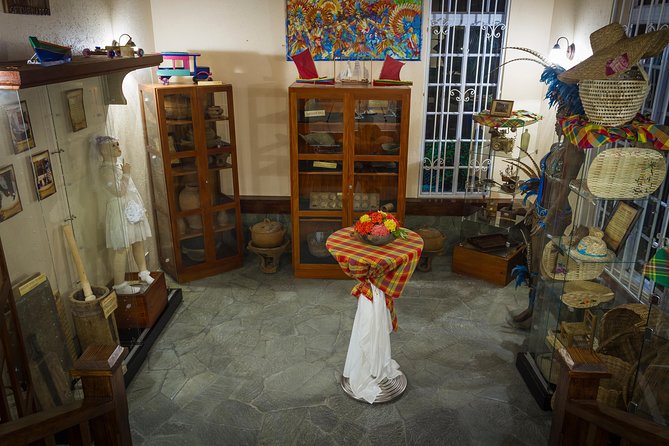
At $85 per person, this tour is not the cheapest way to spend a morning in St Lucia. The price makes more sense once you count what is included: round-trip transportation from Castries hotels or the cruise port, an air-conditioned vehicle, a local guide, the garden and museum visit, snacks, light refreshments, and tastings.
You are also paying for interpretation. A garden you visit alone may be attractive, but you could miss the meaning behind the plants and objects. Here, the guide connects what you see with traditional use and local customs. That human explanation is the main value.
The pickup is particularly useful for cruise passengers. You do not need to negotiate a taxi for the trip to Greenwood Terrace or worry about arranging a return ride before getting back to the ship. Start time is listed as 10:00 a.m., so check your ship’s port schedule carefully and allow enough time for pickup, traffic, and return.
For hotel visitors in Castries, the same convenience applies. You can enjoy a half-day cultural outing without renting a car. If you are already staying near Greenwood Terrace and can arrange your own transport, the value calculation changes, since transportation is part of what makes the package attractive.
The official maximum is 60 people. That is a fairly large possible capacity for a garden tour, although the actual size may be smaller. Some visits have been described as small-group experiences, allowing more direct attention from the guide. I would confirm the expected group size if personal conversation is important to you.
How the 2-hour-30-minute schedule works
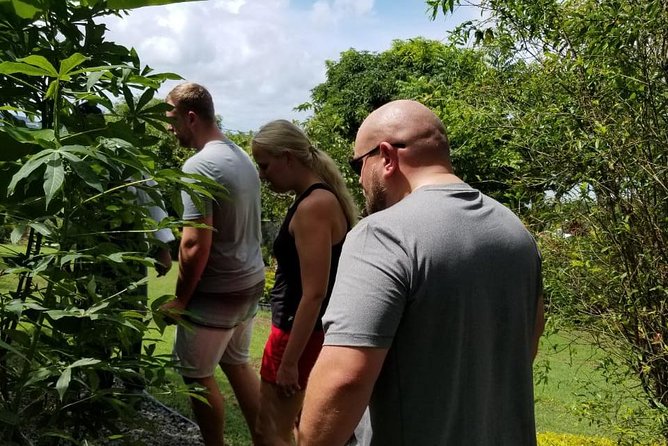
The listed duration is approximately 2 hours and 30 minutes. The order is straightforward:
- Pickup in Castries and transport in an air-conditioned vehicle
- Guided walk through the tropical gardens
- Visit to the medicinal herb and spice garden
- Tour of the mini museum
- Sampling of local food, fruit, sweets, and drinks
- Return transportation to your hotel or the cruise port
The schedule has a sensible rhythm. You begin with movement and observation, shift into a more focused look at useful plants, then move indoors or into the museum space for objects and clothing. The tasting session gives you time to sit, talk, and process what you have seen.
Do not expect a full-day sightseeing trip. The tour does not include the Pitons, waterfalls, beaches, or a broad drive around the island. That limitation is also its virtue. You spend the available time on one cultural setting instead of losing much of the morning to long transfers between unrelated attractions.
The strongest part is the personal teaching
The most praised quality of this experience is the people leading it. William has been recognized for making the tour enjoyable, while Cion has been appreciated for explaining the trees and plants. Showane, also known as Sherwin, has been praised for taking time with both the gardens and museum. Sylvia receives similar attention for preparing the food and drinks.
Those details tell you what kind of experience this is. You are not simply handed a map and sent through a garden. The quality depends on patient explanation, local knowledge, and a willingness to answer questions.
That also means your experience can vary slightly with the guide and group. I would ask questions as you go. If a particular herb interests you, ask how it was traditionally used. If an artifact catches your eye, ask what it tells you about everyday life. The more curious you are, the more you are likely to get from the visit.
Who should book this St Lucia culture tour?

I would recommend it most strongly to you if you want:
- A short cultural outing from Castries
- A break from beach and resort activities
- A gentle garden walk with local interpretation
- Information about herbs, spices, and traditional remedies
- A small collection of historic objects and clothing
- Food and rum tasting in a relaxed setting
- Included transportation from a hotel or cruise port
Families can consider it, but children must be accompanied by an adult. The plant walk and museum may appeal more to older children who can follow a guided explanation. The operator lists a moderate fitness requirement, so you should consider that if anyone in your party has difficulty walking.
This is also a good choice for first-time visitors who want cultural context before exploring more of the island. It will not show you every side of St Lucia, but it gives you a useful introduction to how nature, food, remedies, and household traditions fit together.
I would choose something else if you want dramatic scenery, swimming, adventure, or a long island tour. The focus here is close observation and conversation. You will spend time with plants, objects, flavors, and stories rather than racing between major sights.
Practical details that can save you trouble
Pickup and drop-off are offered from Castries hotels and the cruise port. The start time is 10:00 a.m., but your exact pickup arrangement should be confirmed at booking. Confirmation is provided when you reserve.
Bring comfortable walking shoes and dress for a warm garden setting. The provided details do not specify a dress code, required equipment, or special accessibility arrangements, so ask the operator directly if you need those details.
Children need an accompanying adult, and the activity requires moderate physical fitness. The maximum capacity is 60 people, though the atmosphere may be more intimate when fewer people are booked.
You can cancel for a full refund if you do so at least 24 hours before the start time. Changes or cancellations inside that window are not accepted for a refund. The experience also requires a minimum number of participants, and if that minimum is not met, you will be offered another date or experience, or a full refund.
Should you book the Essence of St Lucia Heritage Experience?
Book it if you want a focused, friendly introduction to St Lucian culture and prefer useful local stories to a checklist of famous sights. The combination of the 300-plus-plant garden, medicinal herbs, personal artifacts, Creole clothing, food, and rum gives the morning a clear sense of place.
The price is fair when you use the included transportation and value the guide’s explanations. The main drawbacks are the moderate walking requirement, the possible group size, and the fact that the tasting may be more like a generous sample than a guaranteed full lunch.
For a cruise passenger with a free morning in Castries, this is an easy choice. For a hotel visitor, it is worthwhile if you want a planned cultural activity without arranging transport yourself. You will leave knowing more about the plants, household traditions, and flavors that make St Lucia feel like a lived-in island, not just a postcard.
FAQ
Where does the Essence of St Lucia Heritage Experience take place?
The experience takes place at Greenwood Terrace in Choc, St Lucia, at the home of Barefoot Holidays Saint Lucia Day Tours.
How long does the tour last?
The tour lasts approximately 2 hours and 30 minutes.
What time does the experience begin?
The listed start time is 10:00 a.m.
Is transportation included?
Yes. Hotel and cruise port pickup and drop-off from Castries are included, along with transportation in an air-conditioned vehicle.
What does the tour include?
The experience includes a local guide, a tropical garden and medicinal herb garden visit, admission to the on-site mini museum, light refreshments, snacks, local tasting items, and alcoholic beverages.
Are food and drinks provided?
Yes. The tasting session includes local delicacies, sweets, tropical fruit, and alcoholic drinks such as locally made rum. The food selection can vary.
Can children join the tour?
Yes, but children must be accompanied by an adult.
Can I cancel for a full refund?
Yes. You can receive a full refund if you cancel at least 24 hours before the experience start time. Cancellations or changes made less than 24 hours in advance are not accepted for a refund.
Latest Choc reviews
- St. Lucia Luxury Sunset Cruise From Castries★ 4.0 · 16 reviews
- St Lucia Bike and Hike★ 3.5 · 4 reviews
- St.Lucia Soufriere Experience★ 5.0 · 2 reviews
- St Lucia Rum Distillery Tour & Mineral Bath Excursion★ 4.5 · 8 reviews
- Rainforest Hike & Waterfall Safari St. Lucia From Castries★ 4.5 · 24 reviews
- Private St Lucia Airport Transfer to Secrets St. Lucia Resort★ 5.0 · 4 reviews
- Private Airport/Resort Luxury Transfers★ 5.0 · 4 reviews
- Rainforest Canopy Adventure from Vieux Fort or North Island, St Lucia★ 4.5 · 6 reviews
Choc Tours, compared.

St Lucia Catamaran Day Sailing and Sightseeing Tour
Read our review →

Piton Sunset Snorkel Cruise St. Lucia From Castries
Read our review →



St. Lucia Speedboat and Power Snorkel From Castries
Read our review →
Browse the lists this tour appears in